5 Business Integration and Automation Benefits
Integrating and automating business processes benefits companies and their digital ecosystems in many ways, including cost savings, transparency, accessibility, and growth.
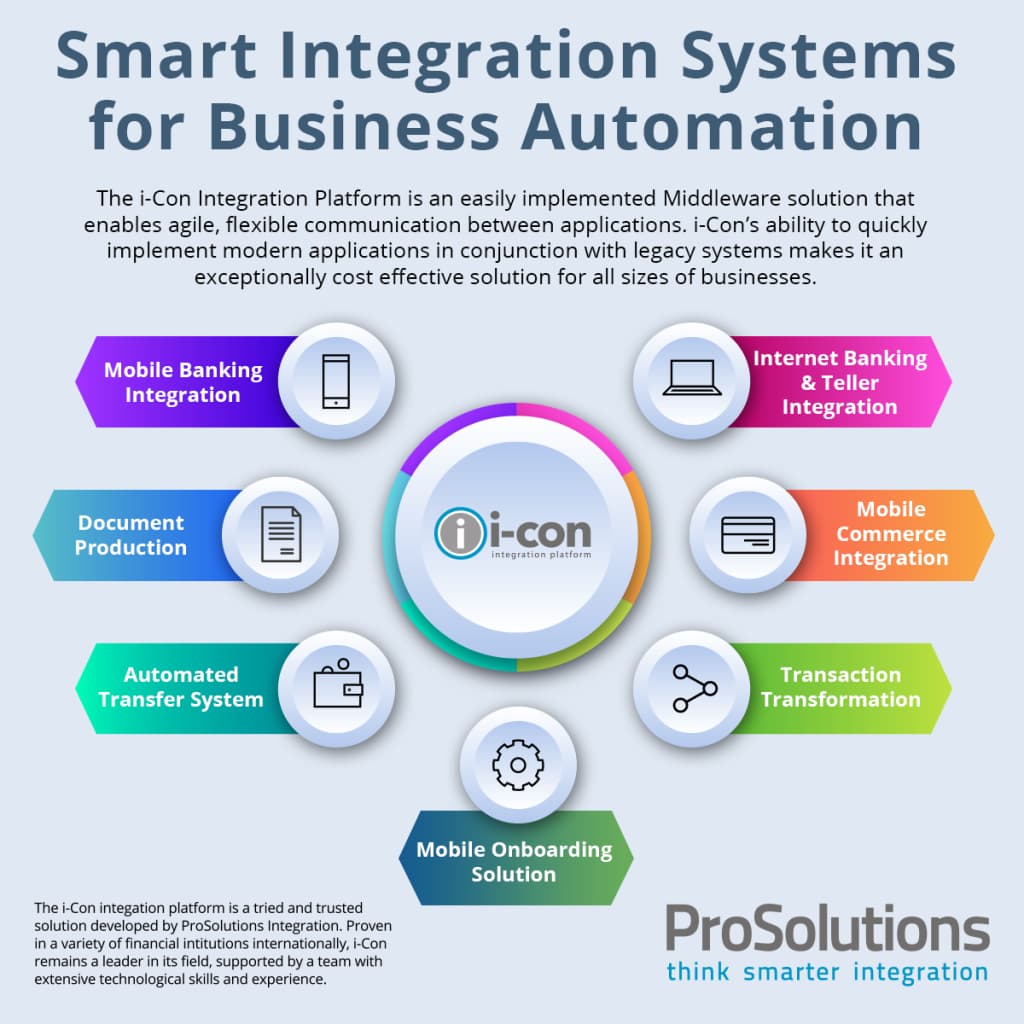
Integrating and automating business processes benefits companies and their digital ecosystems in many ways, including cost savings, transparency, accessibility, and growth. Understanding how these benefits compound is essential for making the case for integration investment.
1. Reduced Costs
Integration enables companies to leverage existing legacy solutions rather than replacing them. The cost of human error can be high for businesses incorrect data input or formatting results in processes having to be redone, which is costly. Automation reduces the possibility of employee error since business integration and automation speeds up processes that companies once performed manually, reducing operating costs by increasing overall efficiency.
2. Improved Communication
Integrating different departments and companies within a supply chain allows for simpler, more streamlined communication processes. With business integration and automation, companies can share important information quickly and easily in ways optimised to work within their systems, rather than relying on emails or manual handoffs. The companies in the supply chain have instant access to the latest information without needing to seek it out or wait for a response.
3. Stronger Security
When companies use separate systems for different functions, IT departments have a more difficult time ensuring consistent security across all systems. Integrating various systems into one coordinated application adds layers of protection to safeguard sensitive information. Adding this extra security also reduces exposure to cyber-attacks, which can harm not only a company's bottom line but its reputation as well.
4. Streamlined Operations
Integrated business solutions automate workflows and provide a centralised environment for all communication needs. Employees can focus on higher-value tasks, leading to increased productivity. A company's ability to meet its revenue and operational targets improves significantly when employees can work on strategic priorities rather than manual data management.
An ideal integration and automation solution should be quick to deploy and offer a low-code approach to adapting, innovating, and supporting business growth.
5. Increased Transparency
Businesses that store all relevant data in a single platform increase employee productivity by making it easier to access and share data. A user in the digital ecosystem always has access to the latest information since they can track and manage their data in one place. This results in more timely responses and a more efficient process among a company's departments and external partners.
How Business Integration Works
To ensure an optimised workflow, several key steps are involved in business integration. The integrated solution gathers information from a front-end system and forwards it to the next business in the chain. Before transmission, data is converted to a standardised format and transformed. The system then delivers the standardised information to the partner system and automates appropriate processes.
The benefit lies in avoiding data silos where information is only accessible in a single company or system. With proper integration, information flows freely across the organisation while maintaining the security and consistency that business operations require.